Deployments

Six named customers. Every one of them constrained.

Densery was not built in a market where cloud-first was the default. It was built for banks, insurers and manufacturers across Asia Pacific whose data was not permitted to leave the building. That is the same condition a US regulated buyer is now trying to solve for — which is why these references transfer rather than merely impress.

Every customer named on this page can be arranged as a reference call.

Banking · Vietnam · on-premise

A Vietnamese commercial bank

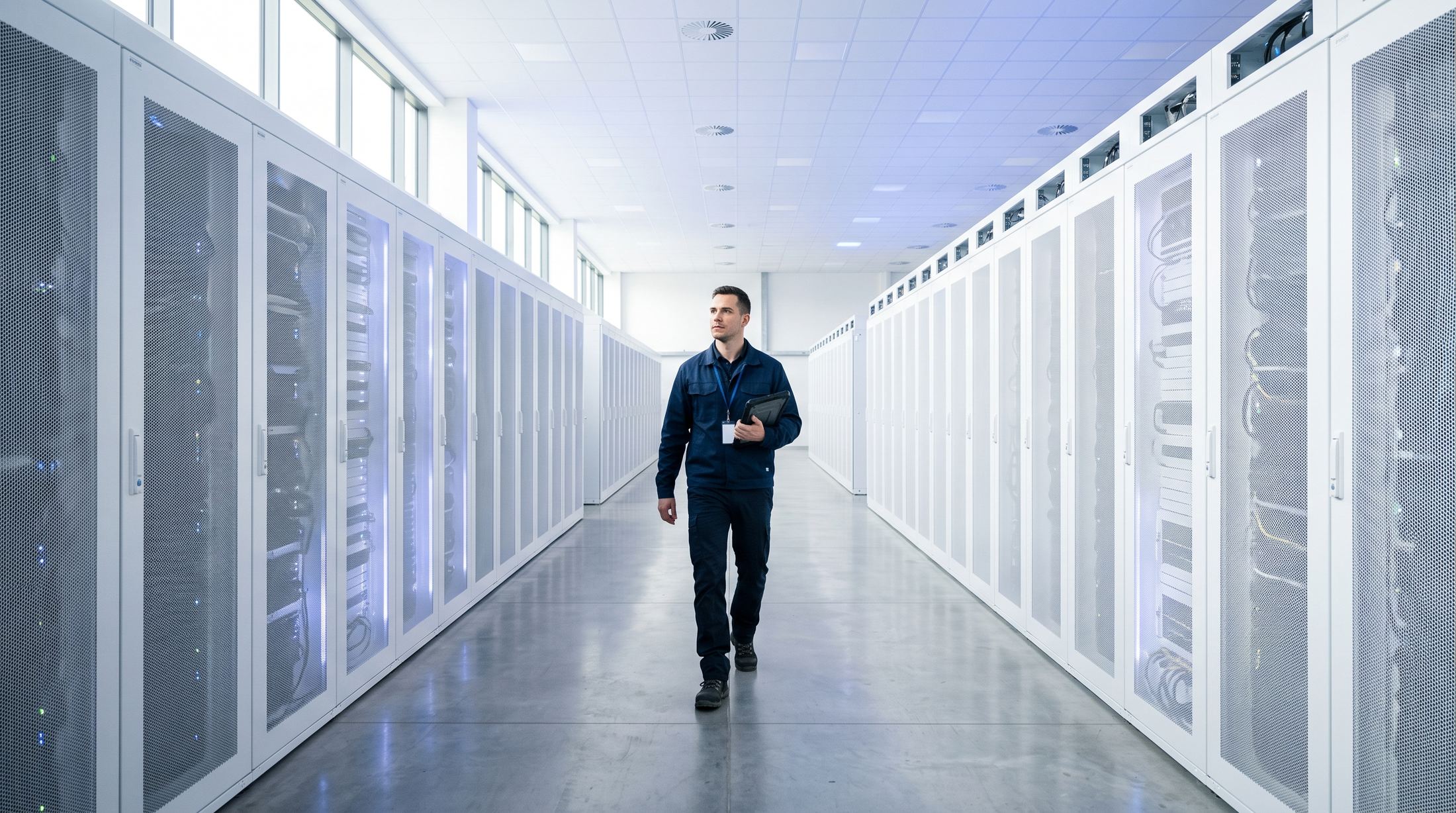
AI document processing and workflow automation running entirely on the bank's own hardware, on a GPU appliance, inside a supervised commercial bank.

What it proves. That the full governance stack — confidence routing, approval gates, immutable audit logging, correction capture — runs unchanged inside an institution's own walls, with no content leaving the network boundary. This is the deployment US institutions under a residency obligation ask to see.

Why it transfers. A Vietnamese commercial bank's document estate is mixed-script, heavily scanned, inconsistently formatted and regulator-supervised. Structurally it is the same problem a US bank has with a bilingual commercial loan file or a KYC pack assembled from four jurisdictions.

RELEVANT TO
  • Banks with a legal data-residency obligation
  • Institutions whose board risk committee has ruled out shared infrastructure
  • KYC, AML and commercial loan file review
  • Multilingual and mixed-script document estates

The banking case →

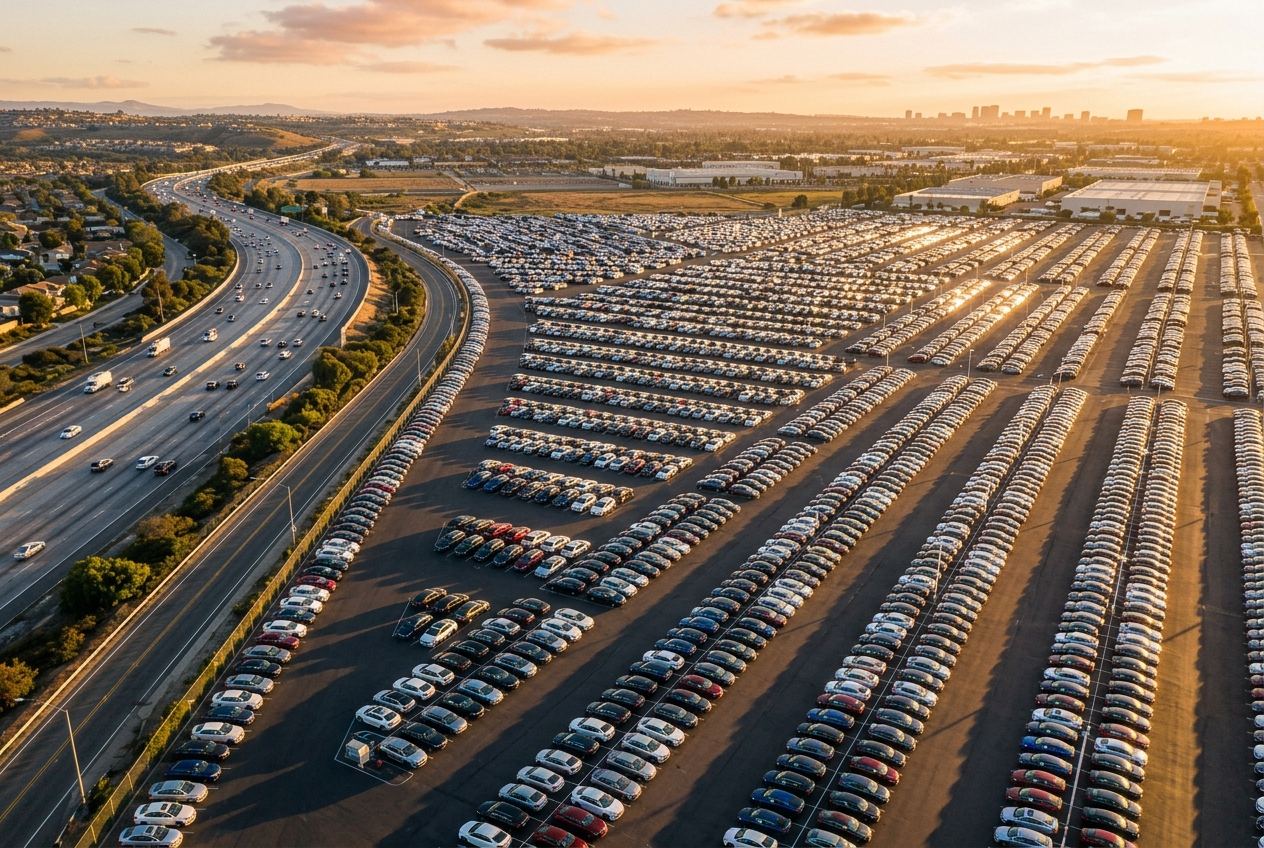
Auto and consumer finance · Vietnam

A captive auto-finance lender

Credit file, title and contract document automation in production inside a captive auto-finance lender.

What it proves. That a captive finance company's highest-volume, most manual document process — verifying that a funding package is complete and consistent — can be completed rather than merely accelerated.

Why it transfers. Captive finance companies share document types, service-level pressures and, in many cases, a corporate reporting line. For a US captive with a Japanese or Korean parent, this is a peer reference inside the same group rather than a case study about a stranger.

RELEVANT TO
  • Auto and equipment finance captives
  • Subprime and specialist consumer lenders
  • Stipulation verification and title administration
  • US subsidiaries of Asian parent companies

The auto finance case →

Insurance · Vietnam

A Vietnamese life insurer

Claims document processing across medical evidence, policy documentation and beneficiary records.

What it proves. That the hardest category of insurance document — clinical evidence produced by third parties in inconsistent formats — can be read, checked against policy terms and completed into a claims system with the decision evidenced.

Why it transfers. A life insurer's underwriting evidence pack and a US workers-compensation medical file present the same problem: third-party clinical documents, no control over format, and an expensive consequence when a detail is missed.

RELEVANT TO
  • Life, health and workers-compensation carriers
  • State compensation funds
  • Third-party administrators and claims outsourcers
  • Underwriting evidence and medical record review

The insurance case →

Manufacturing and digital infrastructure

Three deployments where the document is a drawing or a structure.

The four layers are identical here; the ontology is not. These prove the architecture holds when the content has nothing in common with a loan file — geometry on an engineering drawing, a conformance record on a production line, a structural deviation visible only in imagery.

MANUFACTURING · JAPAN

A Japanese precision manufacturer

Factory vision and quality-record automation. The manufacturing case →
Visual inspection output tied to traceability records, so the evidence of conformance is produced as a by-product of the inspection rather than assembled afterwards.

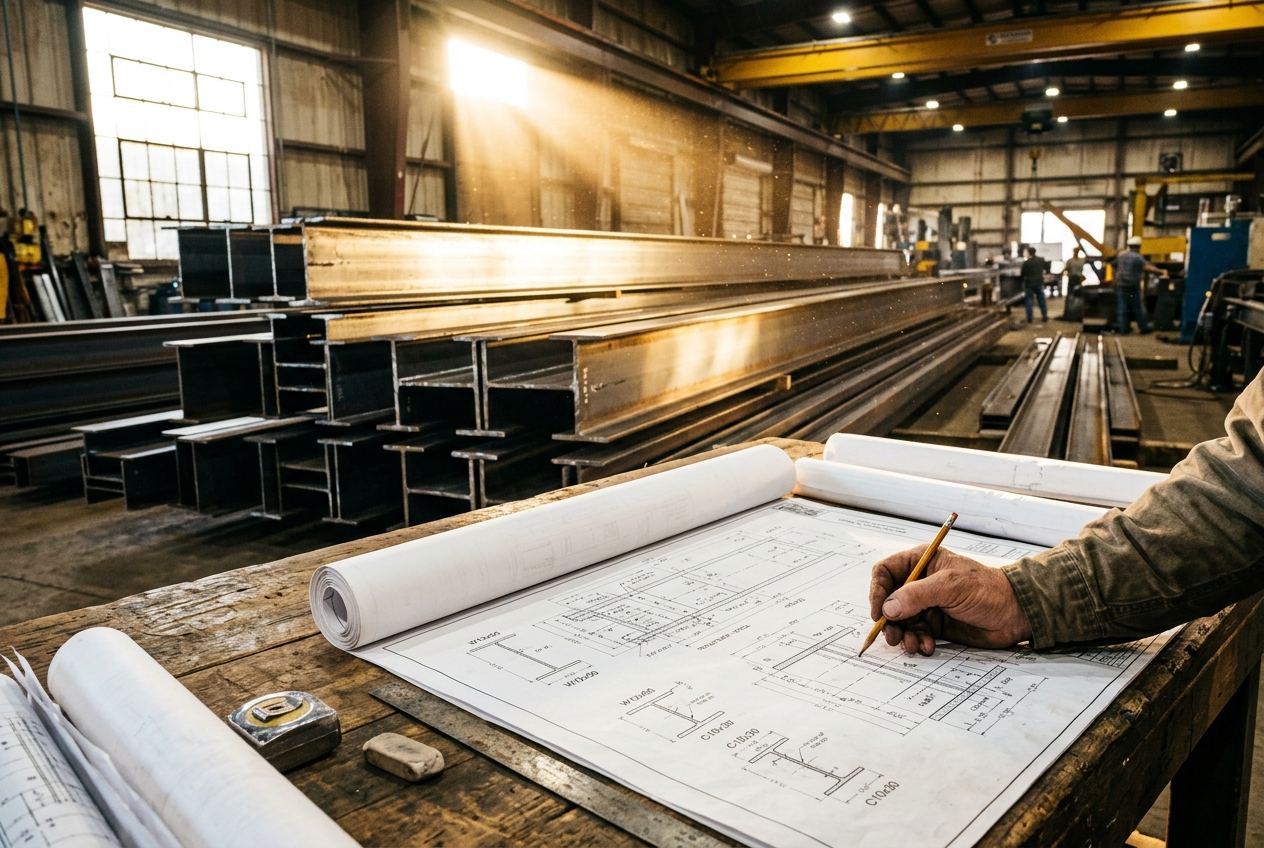
STEEL FABRICATION · JAPAN

A Japanese steel fabricator

Manufacturing →
Engineering drawing take-off — reading structural drawings and converting them to quantities. The hardest possible test of document understanding, because a drawing carries meaning in geometry and annotation rather than in text.

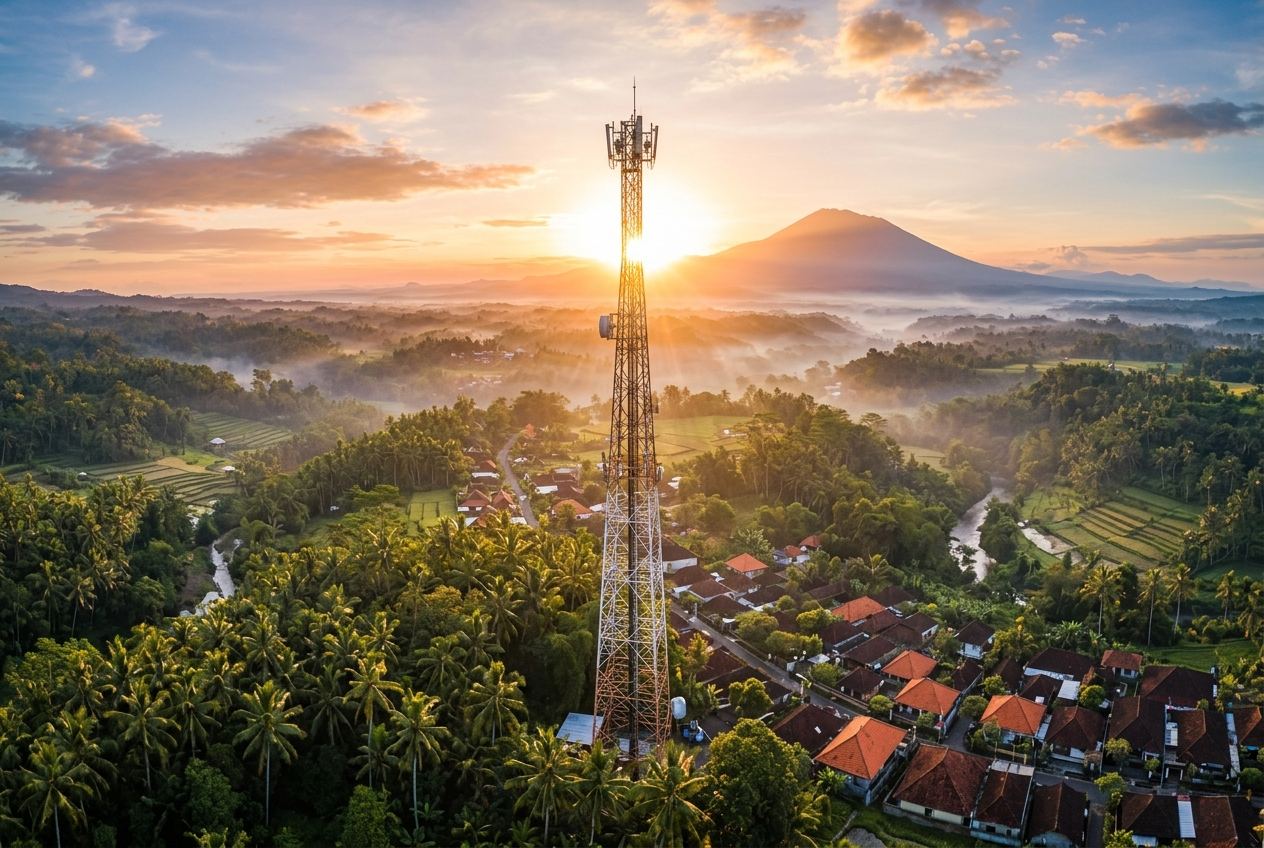
DIGITAL INFRASTRUCTURE · INDONESIA

An Indonesian tower operator

Telecom & digital infrastructure →
Automated structural inspection of telecommunications towers from imagery, with site and lease documentation. Physical-asset inspection at national scale, evidenced per site.

About the references

What we will and will not claim.

Every organisation named on this page is a customer with Densery software in production. We have not published customer-specific savings figures here, and we would be cautious of any vendor who does — those numbers belong to the customer, and a figure quoted without their operating context is decoration.

What we will do is arrange a call. In a scoping session we will put the closest reference to your situation on the phone with your team, and you can ask them what worked, what took longer than expected, and what they would do differently. That conversation is worth more than any case study we could write.

THE PATTERN ACROSS ALL SIX
  • Regulated or data-resident environments where cloud-first was not available
  • Documents where being wrong is expensive and does not announce itself
  • Output that has to enter a system of record, not a report
  • Existing manual review teams rather than a greenfield process

If your situation does not look like that list, we are probably not the right vendor and will say so early.

The next step

Ninety minutes, your documents, three numbers.

A scoping session is not a demo. Bring twenty real files, redacted if you need to. We take three numbers off you — annual volume, fully loaded cost per file today, and what happens when the output is wrong — and hand back a one-page value case in your own KPIs.

If the arithmetic says we are not a fit, we will tell you in the room rather than six weeks later.

QUALIFY YOURSELF OUT

We are a fit if all three are true

  • More than 250,000 pages a year, or 25,000 claims or files
  • A legal obligation — regulator, board risk committee or parent-company policy — to keep the data in-house
  • An AI or agent pilot that did not reach production

If your data can go anywhere and your documents are already clean and digital, you do not need us. Use a hyperscaler document API and spend the money on something harder.